
The City as a Living Memory
La piel del tamborThis flow traces how Seville’s streets, river, buildings, and rituals shape the characters’ understanding of history and belonging.
increasing Bearing strength in each event
 decreasing
Bearing strength in each eventdecreasingA First Walk through Santa Cruz
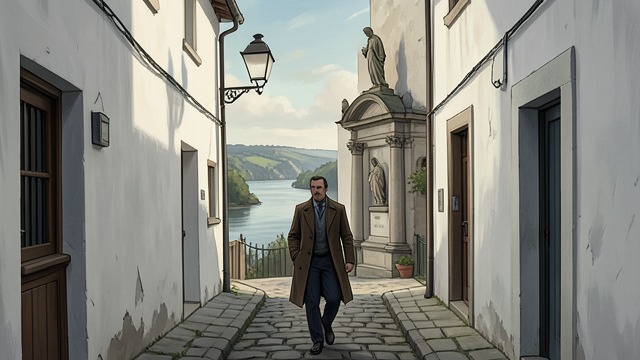
A First Walk through Santa Cruz
Disorientation
Quart loses his way among the narrow streets of Santa Cruz before finding the church. The district’s alleys and patios resist the tourist map’s neat categories.
Sensory memory
Orange blossom, whitewashed walls, and old stone make the city feel accumulated rather than designed. Quart begins to understand that Seville’s setting is an active force in the story.
A City Seen as a Palimpsest
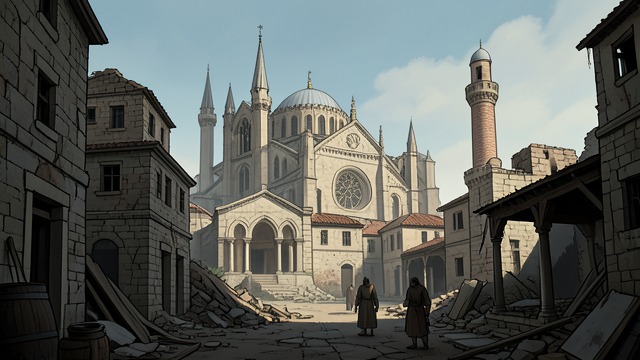
A City Seen as a Palimpsest
Layers of belief
Quart sees the former Jewish quarter, the cathedral, and the transformed minaret gathered around one urban center. Each site carries traces of earlier inhabitants and different religious histories.
Time in stone
The city’s buildings make history tangible. The same endurance that draws Quart also contrasts with the transient ambitions of bankers, politicians, and individual lives.
The River and Departure
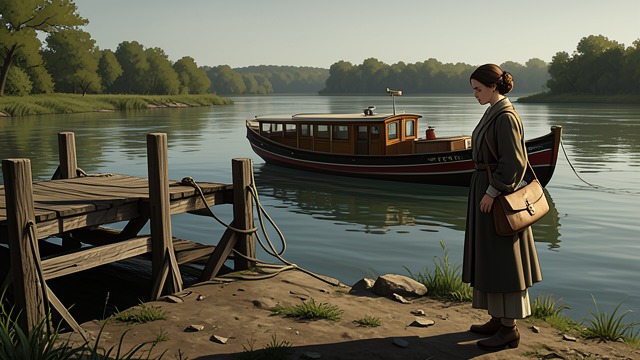
The River and Departure
A port remembered
Macarena describes the old harbor, where ships once moved between Seville and the Atlantic. The river connects her family’s present to Xaloc’s departure and the age of sailing vessels.
Water as continuity
The Guadalquivir receives ships, dreams, and losses without keeping them. Its steady movement gives the lovers’ story both a route into history and a reminder that the city outlasts its inhabitants.
Triana’s Everyday World
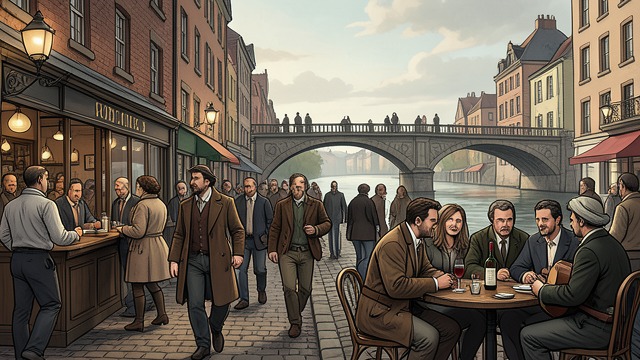
Triana’s Everyday World
A neighborhood of routines
Bars, songs, bridges, and familiar faces give Triana a dense social life. Don Ibrahim’s crew understands its streets through repeated visits rather than official maps.
A refuge in ordinary pleasures
Food, music, a bullfight, and the river help the companions endure failure. The district offers belonging without wealth, even as their criminal work threatens that modest security.
The City Outlasts Its Players
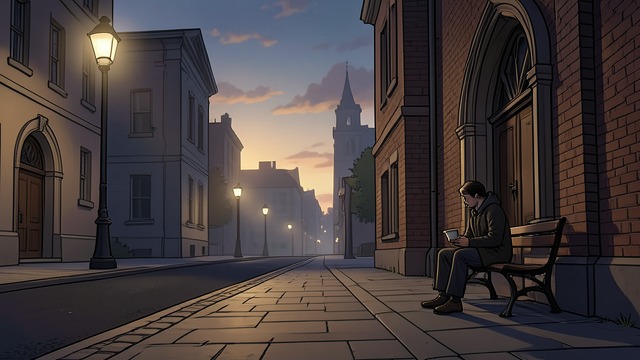
The City Outlasts Its Players
A solitary vigil
Quart walks through the sleeping city after Ferro’s arrest and sits outside the church until dawn. His personal crisis unfolds against familiar streets and walls.
Endurance beyond victory
The church, river, and city persist after individual plans fail. Seville becomes the novel’s lasting presence: not a happy ending, but a place that receives successive lives and lets them pass.
Quart’s first morning in Seville
during Quart’s visits near the cathedral
during Macarena’s night walk with Quart
during the crew’s work around the riverfront
Quart’s final dawn in Seville
